



Ending exclusion. Reducing loneliness. Making everyone feel present.
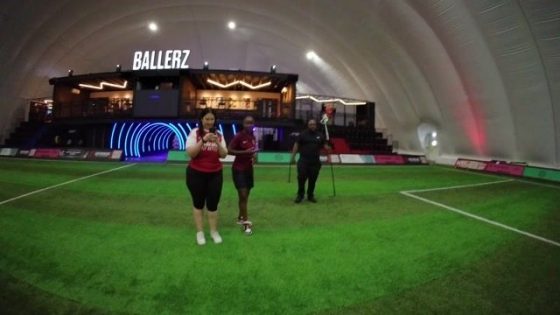
People gathered for an evening event. Music filled the building until the lift failed. Julia arrived in her wheelchair. The only accessible route depended on that lift. The responsible staff member was on annual leave. Policies existed. Solutions did not.
Was she meant to go home? No.
A livestream connected her instead. Pryntd adapted the experience instantly. Flash intensity softened, audio balanced, captions appeared, and the environment reshaped itself around her needs. When the stream crashed, the audience formed a Pryntd call, sharing perspectives that adapted seamlessly. Julia missed nothing.
Inclusion was not one solution. It was many small augmentations working together.
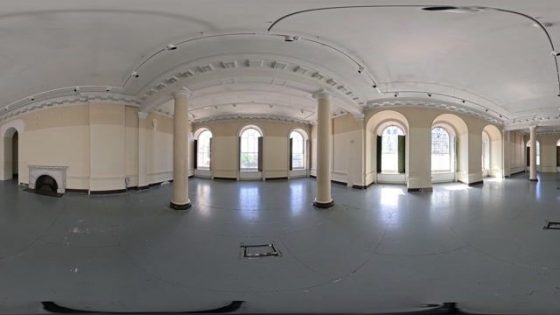
When Musa returned, he realised accessibility should never depend on improvisation. Pryntd transformed the venue into an adaptive environment.
Accessibility moved from reaction to anticipation. Inclusion became routine.
One in four people live with a disability. Nine in ten feel excluded. Yet seven in ten people report chronic loneliness.
Loneliness is not the starting point. Exclusion is. Disconnection follows when participation breaks down.
The solution is shared reality.
Pryntd adapts experiences for those who need support while disappearing into the background for everyone else. Everyone participates differently, yet everyone shares the same moment.
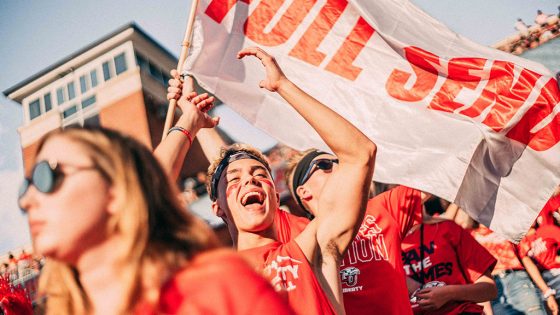
No one is singled out. No one is left behind. Everyone is present together.
The battle against exclusion and the war against loneliness are the same fight. Pryntd bridges physical and digital worlds so everyone can feel present, represented, and included in shared reality.