Every Disability Matters

The Real Disability Epidemic Is Not What You Think
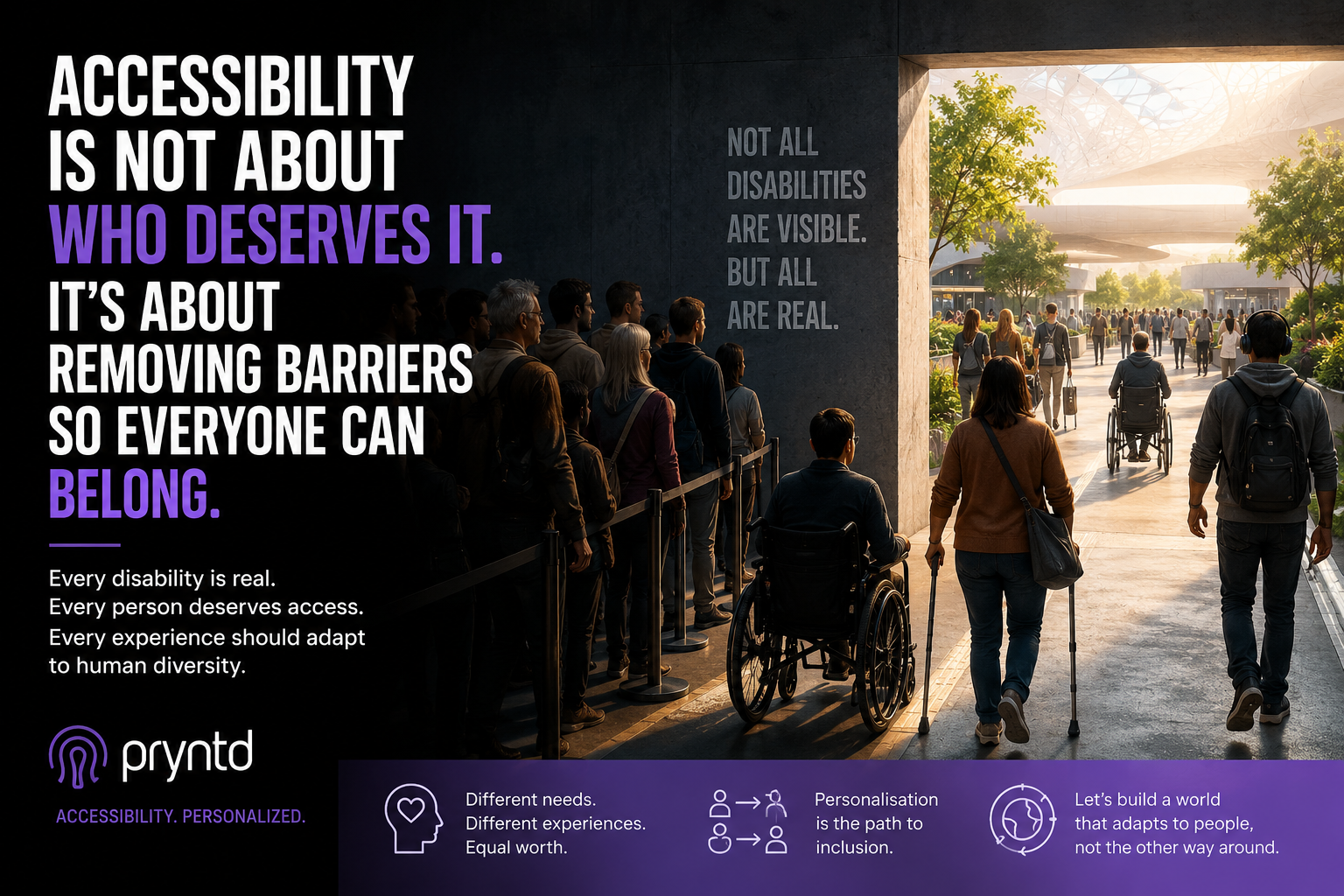
Accessibility is not about who deserves it. It’s about removing barriers so everyone can belong.
Britain is being told that increased recognition of disability is a diagnosis epidemic.
The deeper problem is not disability. It is misunderstanding, scepticism, discrimination
and the hierarchy society creates between different disabilities.
The epidemic is not recognition. It is judgement.
When more people are diagnosed with autism, ADHD, fibromyalgia, PTSD, chronic pain,
anxiety disorders or sensory processing conditions, the public conversation often
reaches for suspicion before understanding.
Are people exaggerating? Are diagnoses being handed out too easily? Has disability
become too broad?
These questions miss the point. A society that only accepts pain when it is visible,
mobility need when it comes with a wheelchair, or distress when it looks dramatic
has not become rigorous. It has become narrow.
Accessibility should never be about deciding who is disabled enough.
It should be about understanding barriers and enabling participation.
people in the UK had a disability in 2023/24.
Source: DWP Family Resources Survey, via House of Commons Library.
25%
of the UK population reported a disability in 2023/24.
Recognition is not rare. It is part of everyday Britain.
48%
of disabled working-age adults reported a mental health impairment.
Invisible and fluctuating barriers are central to disability, not peripheral.
29.7
percentage points was the disability employment gap in Q2 2025.
Source: GOV.UK, The employment of disabled people 2025.
Some disabilities are believed. Others are cross-examined.
Visible disabilities are often accepted without question. Invisible disabilities are
frequently challenged, even when they create genuine and substantial barriers to
participation.
This is the hierarchy of disability: the informal ranking of who deserves support,
who deserves accommodation and who must prove themselves before being believed.
It can appear in public spaces, workplaces, venues, schools, transport systems and
online communities. It can also appear inside disabled communities themselves, when
one person treats their disability as more legitimate than another person’s access need.
Disabled toilets
People with invisible bowel, pain, fatigue or sensory needs are challenged because they do not look disabled.
Accessible queues
Support is questioned when someone can stand briefly but cannot tolerate crowds, noise, pain or uncertainty.
Accessible parking
Mobility, pain, breathing, fatigue and neurological barriers are reduced to whether someone visibly uses a chair.
Workplace accommodations
Flexible hours, quiet spaces and predictable communication are treated as perks instead of participation tools.
Public provisions
Access is designed for a narrow idea of disability, then used to police everyone outside that image.
Participation, not permission
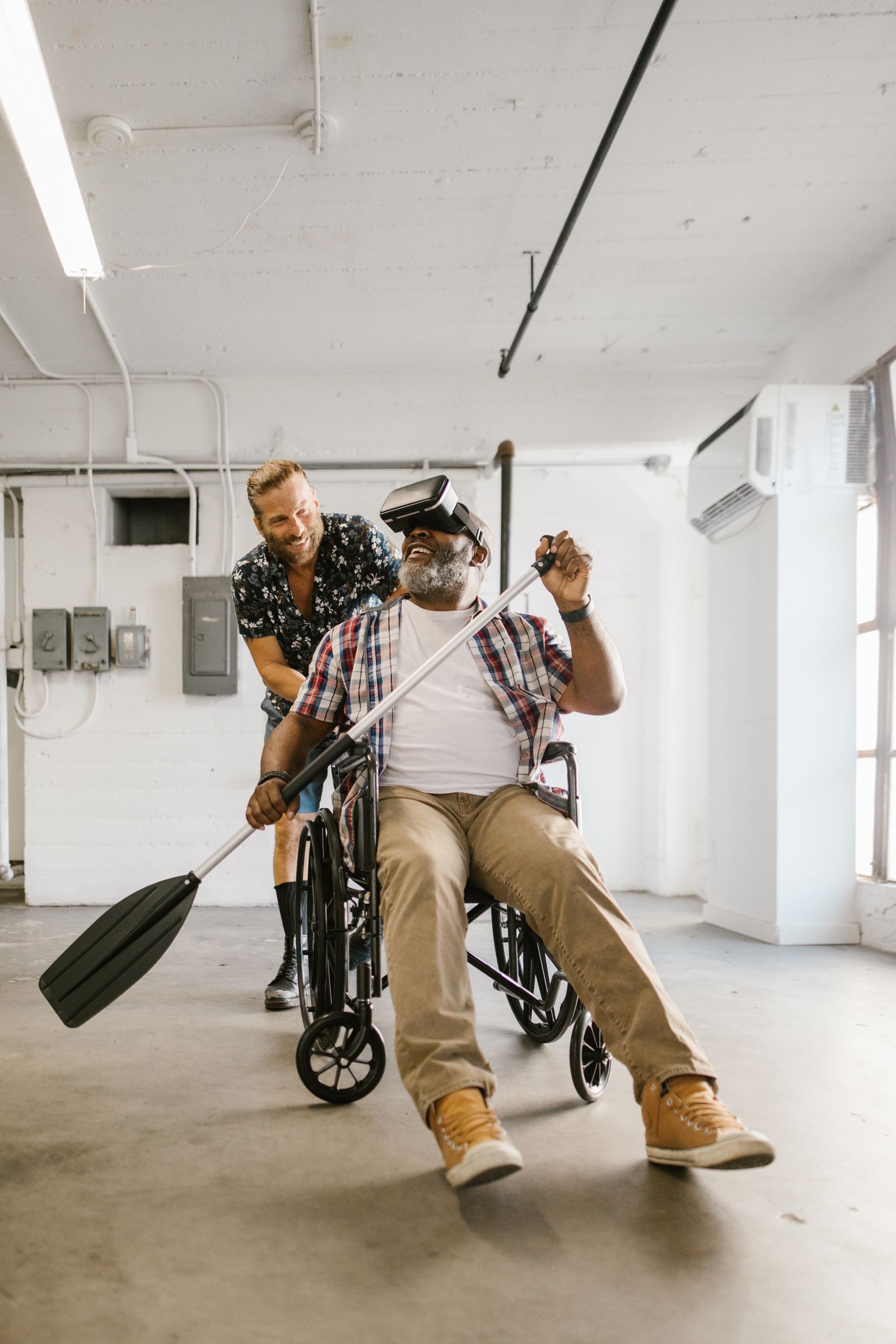
Access is not a reward for the most visible need.
A person with chronic pain may need seating before their pain becomes visible.
An autistic person may need reduced sensory load before distress becomes visible.
A person with PTSD may need a predictable route before panic becomes visible.
Waiting until someone is visibly struggling is not inclusion. It is a design failure.
Britain may simply be getting better at recognising what was always there.
Historically, many disabilities were ignored, hidden, mislabelled or dismissed.
Neurodivergent people were called difficult. People with chronic pain were told it was
in their head. People with anxiety disorders were told to push through. People with
sensory differences were told to stop being sensitive.
Increased recognition does not automatically mean overdiagnosis. It can mean that
language, evidence and public understanding are finally catching up with lived reality.
Progress often looks like an increase before it looks like justice. More people being
able to name their barriers should not frighten us. It should help us build better
systems.
Recognition
What was hidden can now be named.
Diagnosis can give people language, rights, care pathways and self-understanding.
Context
Barriers are shaped by environments.
A person may be disabled by noise, layout, pace, lighting, transport, communication or social rules.
Progress
Data should lead to design.
The purpose of recognition is not suspicion. It is better participation for more people.
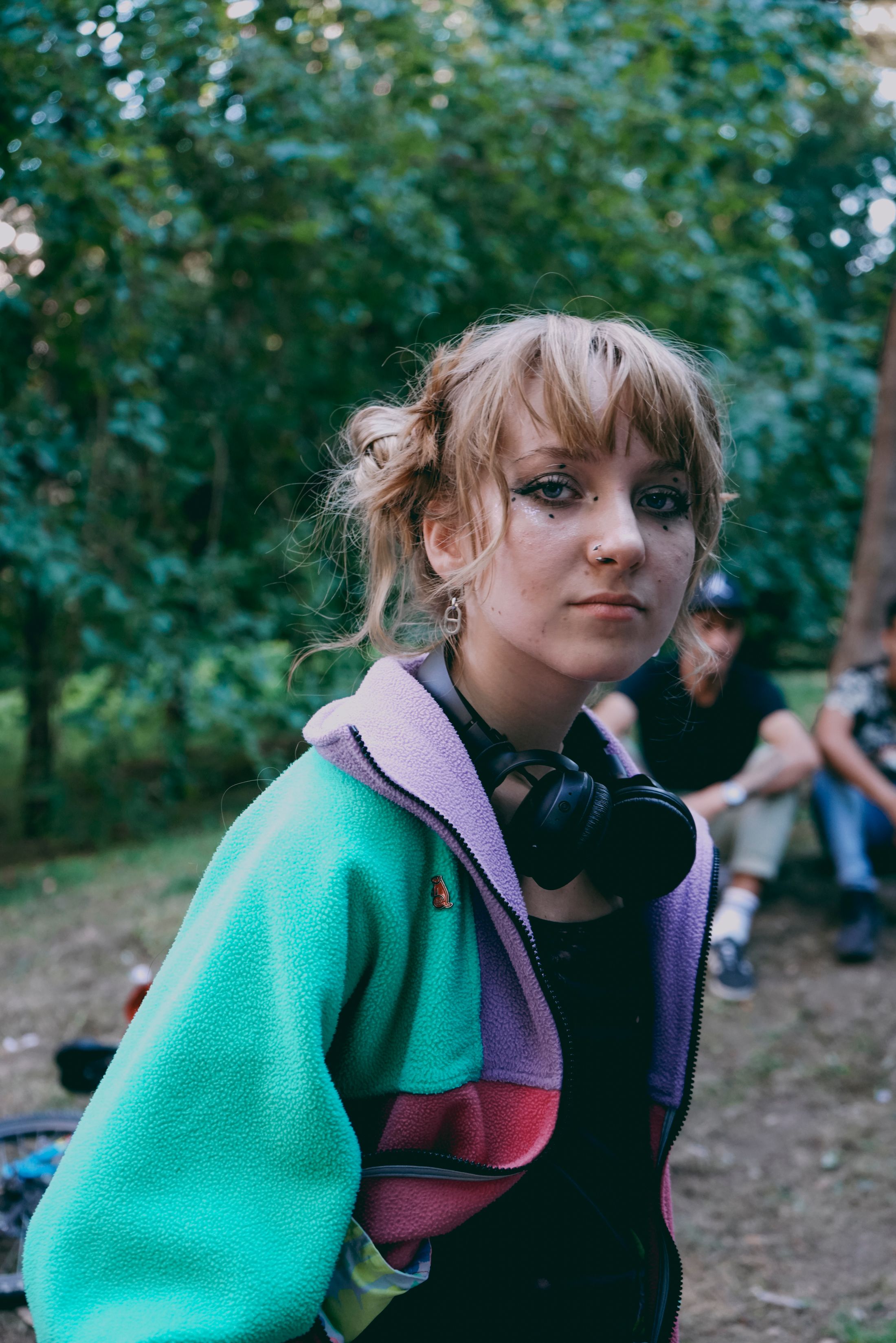
Invisible does not mean imaginary.
No diagnosis tells the whole access story.
No two autistic people are the same.
No two wheelchair users are the same.
No two people with the same diagnosis are the same.
Accessibility requirements are highly individual. One person may need quiet.
Another may need clear visual instructions. Another may need seating, step-free
routing, extra processing time, captioning, lighting control or a trusted support person.
Traditional accessibility often starts with a category. Pryntd starts with a need.
Old question
What disability does this person have?
Pryntd question
What does this person need to participate?
Personalisation removes the guesswork, the bias and the gatekeeping.
Shared reality begins when environments understand people.
Language models understand text. Pryntd is building models that understand human
experience across physical and hybrid environments where people gather.
We call this shared reality.
Pryntd is building accessibility-first spatial intelligence for human environments:
AI that can help venues, events, cultural spaces and public systems adapt around
people’s actual needs.
Instead of forcing everyone through one design, one route, one noise level, one
instruction format or one assumption of ability, Pryntd makes participation more
personal.
Physical venues
Events
Hybrid experiences
Cultural spaces
Entertainment
Education
Public environments
Shared reality
The future of accessibility is responsive.
A venue should be able to understand that one visitor needs a quieter arrival route,
another needs step-free movement, another needs reduced waiting, another needs
clear language, another needs seating, and another needs time away from crowd density.
None of this requires deciding whose disability is most deserving. It requires a system
mature enough to recognise that participation has different conditions for different people.
That is what accessibility-first AI should do: reduce friction, protect dignity and help
environments adapt in real time.
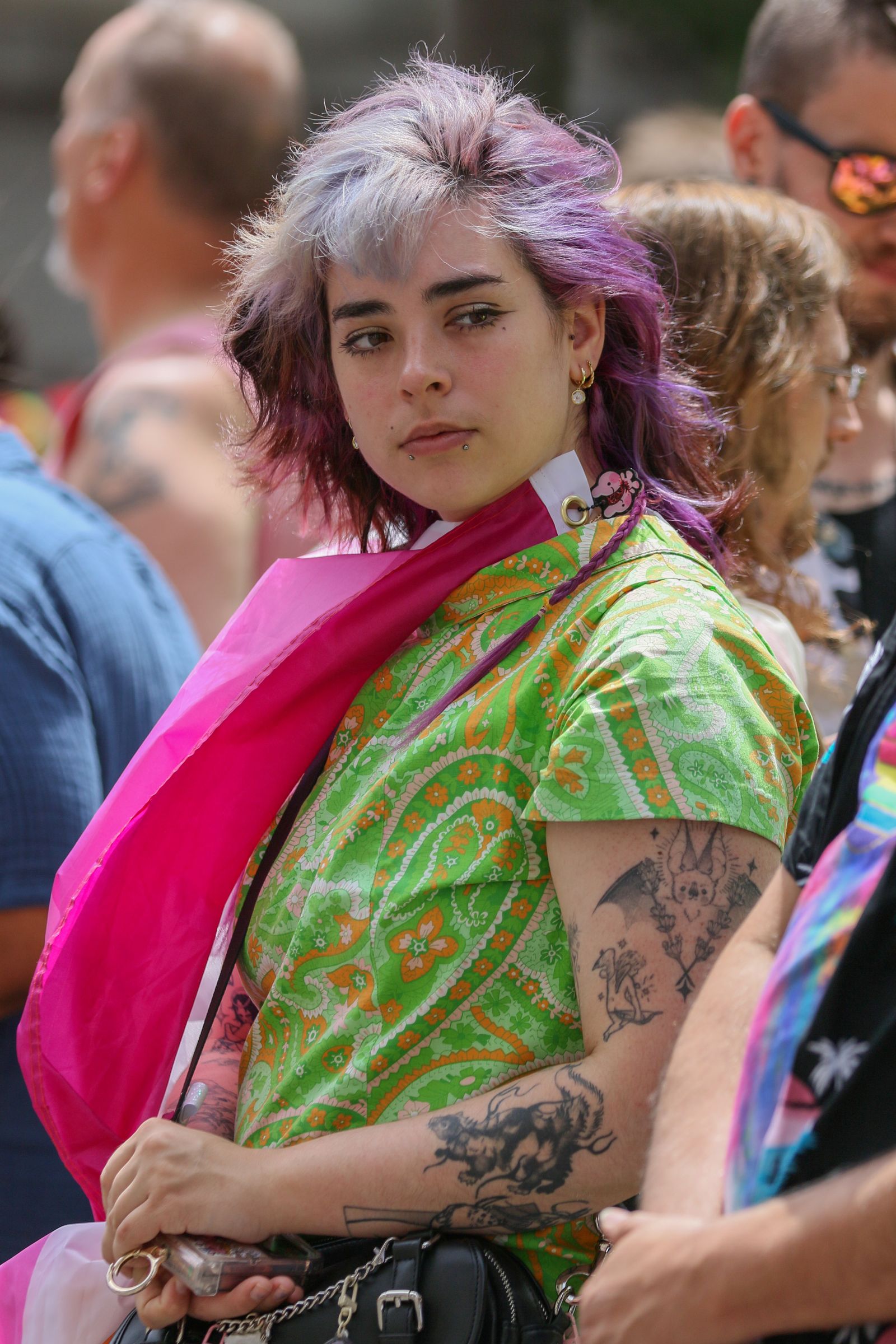
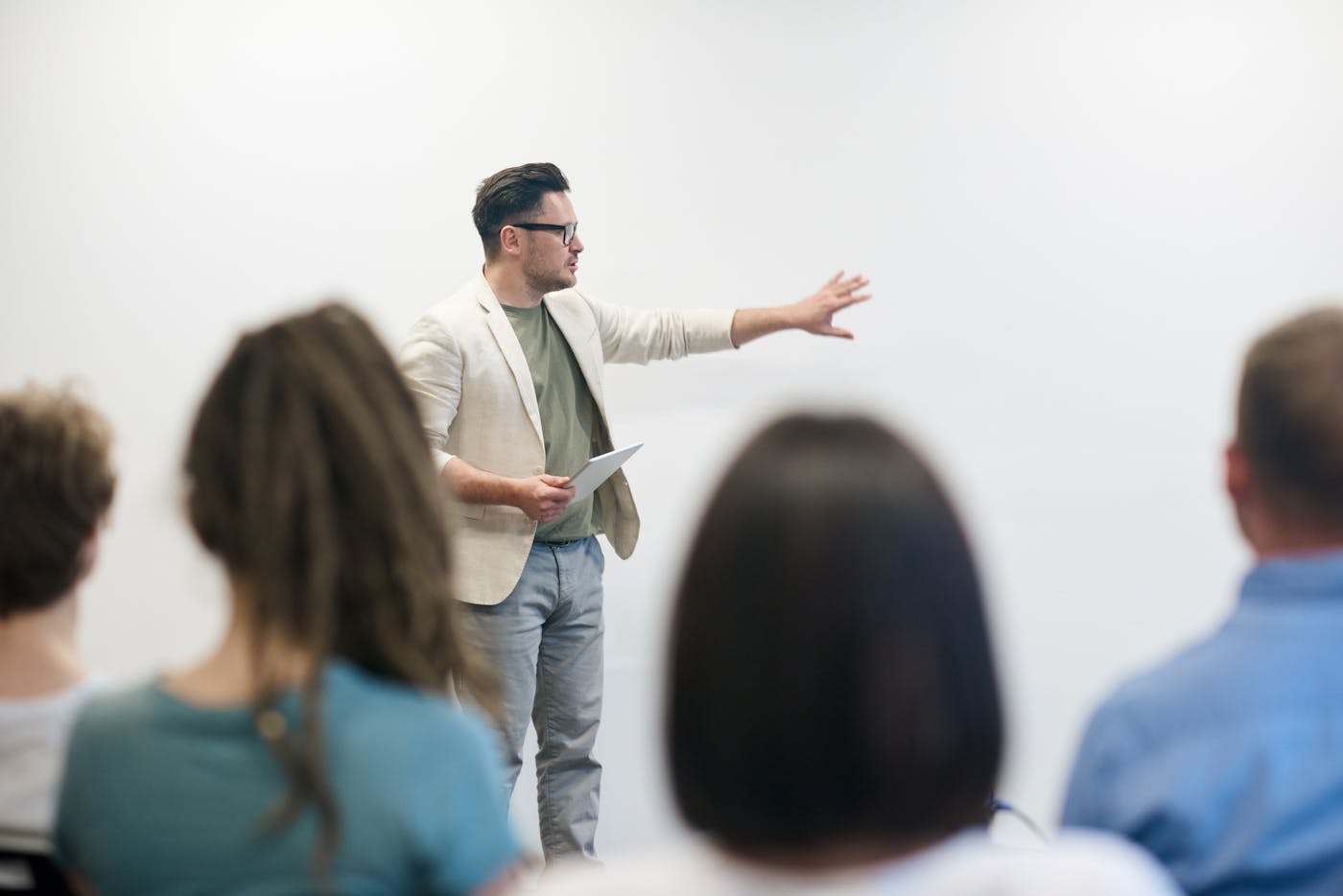
Inclusion should feel effortless.
The blue icon in the bottom centre of the experience is the universal accessibility icon.
It is where users trigger Pryntd’s AI.
From there, people can speak, type or tap. The entire experience can transform to
accommodate the user’s accessibility need, whether that means clearer language,
sensory adjustments, alternative navigation, reduced friction, personalised guidance
or a different way to participate.
This is about inclusion. For people who need support, Pryntd becomes a personal access
layer. For those who do not need it, it simply fades into the background.
Try the access layer: use the blue universal accessibility icon at the bottom centre to speak, type or tap your need and see how the experience adapts around participation.
Recognition is not a competition.
Every disability deserves recognition.
Every disability deserves accommodation.
Every disability deserves participation.
Every disability deserves dignity.
The future is environments that adapt to people.
The future of accessibility is not deciding which disabilities deserve support.
The future is creating environments that adapt to people rather than forcing people
to adapt to environments.
That is not special treatment. That is inclusion.
Statistics sources
House of Commons Library: UK disability statistics
DWP Family Resources Survey 2023 to 2024
GOV.UK: Employment of disabled people 2025
ONS: Disabled people’s access to products and services
NHS Digital: Autism waiting time statistics