Pryntd Digital Twins
Digital twins were built to mirror spaces. Pryntd transforms them into systems that understand and adapt human experience.
Pryntd redefines the digital twin as an operational intelligence layer for human environments. The first beachhead is events, where venues, organisers, creatives, professionals and audiences already need one shared system.
Unlock shared reality
See the system
6DShared reality infrastructure
20 to 40%Operational efficiency potential
2 to 5xAudience reach expansion
£12BAccessibility opportunity signal
Live shared reality twin
CO2642 ppm
FlowBalanced
SoundAdaptive
AccessPersonalised
From replica to intelligence layer.
Traditional digital twins made physical environments visible. Pryntd makes those environments understandable, responsive and usable by the people inside them.
Architecture and construction
BIM, planning, lifecycle management and building handover workflows.
Real estate and facilities
Space optimisation, occupancy analysis and facility operations.
Manufacturing
Predictive maintenance, process modelling and asset performance.
Smart cities
Infrastructure modelling, mobility systems and public asset planning.
Before Pryntd
Data is fragmented. Human experience is not modelled. Systems stay passive. Operational intelligence never becomes unified.
With Pryntd
Pryntd connects spatial intelligence, human context, live inputs and adaptive output in one operating layer.
From 3D to 6D shared reality.
Pryntd builds digital twins that do not just simulate space, but understand people within space.
3D: Spatial representation
The environment becomes visible as a precise navigable model, giving teams a reliable base layer for planning, capture and shared understanding.
- Venue geometry
- Zones and routes
- Spatial context for every stakeholder
Events are the beachhead use case.
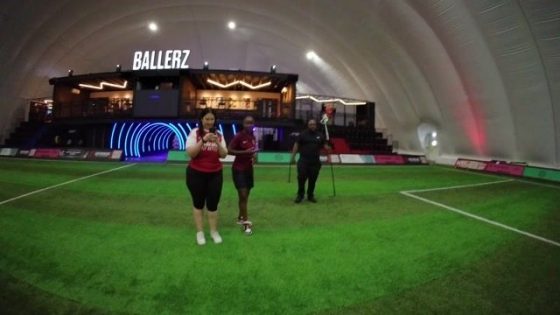
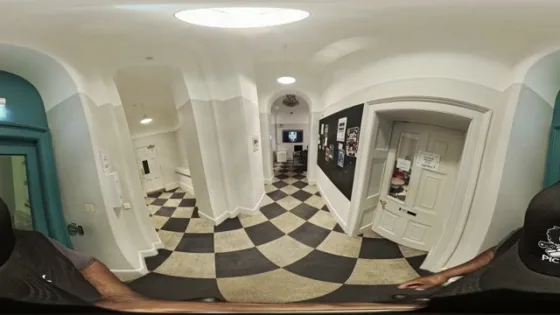
A venue becomes an audio visual virtual tour powered digital twin, enriched with capture, sensors, interpretation and orchestration.
CaptureDSLR and 360
SignalCO2 and flow
OutputAction ready

Multi camera capture
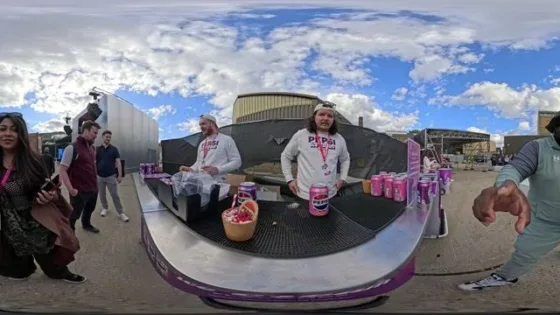
DSLR, 360, CCTV and spatial media streams build a living visual layer for the venue.
IoT and sensor inputs
CO2, movement, sound, lighting and environmental data make the space readable.
AI interpretation
Spatial intelligence and behaviour patterns convert observation into decisions.
Shared control
Operations, accessibility, production and audience experience move from separate tools into one coordinated layer.
One system for every stakeholder.
Events are fragmented because each participant uses a different map of reality. Pryntd gives them one shared operating layer.
Shared reality infrastructure
Stakeholder system
Venues
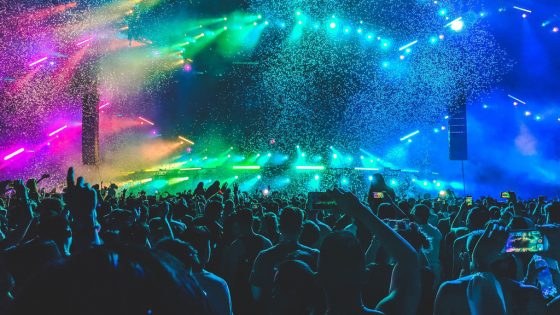
Concert halls, theatres, museums, galleries, stadiums, arenas, heritage sites, exhibition centres, universities and conference venues.
Concert hallsTheatresMuseumsStadiumsHeritage sites
20 to 40% operational efficiency gains
Reduced staffing and coordination overhead
Better space utilisation with predictive insight
From observation to action in real time.
Pryntd connects cameras, sensors, systems and platforms, then turns the incoming signal into adaptive workflows and decision support.
Inputs
DSLR, 360 and CCTV
IoT sensors
Ticketing systems
Streaming platforms
Environmental data
Processing
AI interpretation
Spatial intelligence modelling
Behavioural pattern recognition
Context aware orchestration
Outputs
Real time adjustments
Automated workflows
Accessibility adaptations
Decision support systems
Revenue intelligence
A living event operating system.
The result is a venue layer that reduces fragmentation, automates coordination, enhances accessibility and increases revenue and engagement.
Reduce fragmentation
Connect planning, production, access, security, ticketing and audience insight.
Automate coordination
Let the environment trigger timely actions across people and systems.
Enhance accessibility
Adapt routes, sound, light, content and support to human needs in context.
Increase engagement
Expand participation across physical, remote and fully virtual audiences.
Cross industry expansion.
Events are the entry point. The same shared reality layer applies wherever human environments need intelligence.
Real estate and property
Digital twins for leasing, planning and management. Occupancy, utilisation and experience become measurable in the same environment.
Digital leasing and viewing
Improved occupancy insight
Operational management layer
Market value and opportunity.
Pryntd sits at the intersection of digital twins, smart cities, virtual events, accessibility and operational software.
Projected global digital twin market size by 2033.
Projected smart cities market size by 2030.
UK events sector contribution signal, with more than 600,000 jobs.
Annual attendance signal from regulated football matches in England and Wales.
Projected global virtual events market size by 2030.
Purple Pound spending power of disabled people and households in the UK.
People in the UK classified as disabled in the latest Family Resources Survey.
Disabled delegates in a UK events study reported participation barriers.
A defensible layer for shared reality.
Pryntd is not another venue dashboard. It is a browser native intelligence system where access, operations, content and experience converge.
Accessibility first AI engine
Human needs are part of the core model, not an afterthought.
Browser native infrastructure
Shared reality can be accessed without heavy hardware or closed ecosystems.
Multidimensional content capture
DSLR, 360, CCTV, spatial media and sensor data form one environment.
Agentic AI orchestration
AI agents interpret context, coordinate actions and support live decisions.
Unified stakeholder system
Venues, organisers, creatives, professionals and audiences work from the same truth.
Language models understand text. Pryntd understands human experience across physical and hybrid environments. We call this shared reality.
Digital twins were the mirror. Pryntd is the operating layer that helps spaces sense, understand and adapt.