Goddiva Shared Reality Edit

Early Bank Holiday Treat: 25% off Goddiva with code BYESPRING, now until 1 June

Goddiva Shared Reality Commerce
From Brunch To Rooftops, Shared Reality Has Your Look
Pryntd transforms Goddiva’s Bank Holiday campaign into an immersive shared reality commerce experience, where occasionwear, social presence and purchase intent converge in one browser native environment.
25% Off
Goddiva campaign
BYESPRING
Promo code
1 June
Campaign window
Shop the sale
Unlock shared reality


From brunch to rooftops, we have your look.
Email to shared reality
Commerce layer
Contextual shopping
Access
Browser native
Stakeholders
Brand, venue, organiser, audience
Shared reality commerce
What Shared Reality Commerce Means For Goddiva
Shared reality commerce is not a banner, a product grid or a sponsored post. It is an immersive brand environment where products are placed inside the social moments people are already imagining, planning and buying for.
For Goddiva, this means dresses are no longer presented as isolated products. They become part of a brunch, a rooftop, a restaurant, a getaway, a wedding, a party and a digital experience that can be explored, shared and shopped.
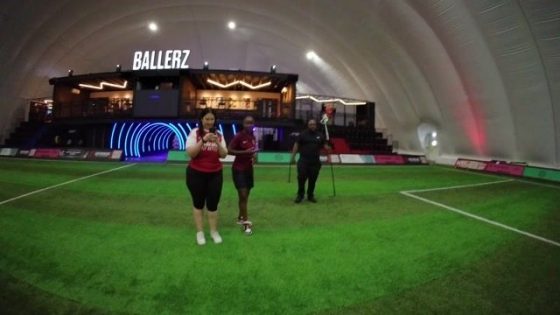
Physical presence
Brand, styling and product moments can be placed inside real venues, events and social spaces.
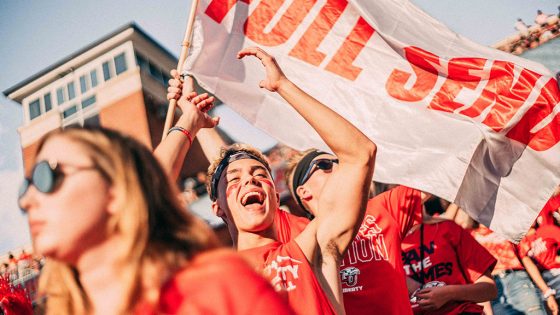
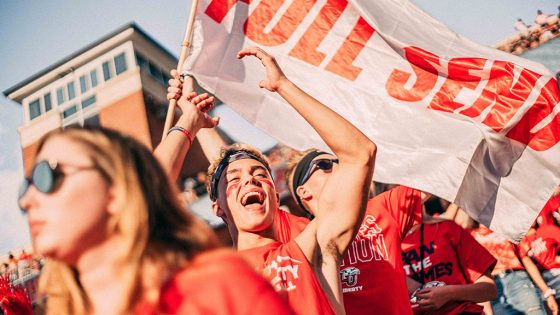
Digital storytelling
Campaign imagery becomes an editorial fashion environment with layered scenes, product moments and contextual calls to action.
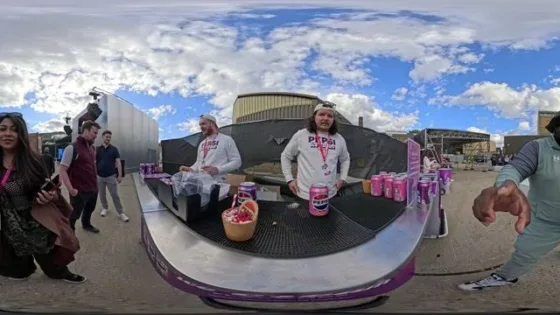
Hybrid conversion
Audiences can discover, explore and shop from wherever they are, making the campaign useful beyond a single email or social post.
Immersive campaign scene
Step Inside The Campaign
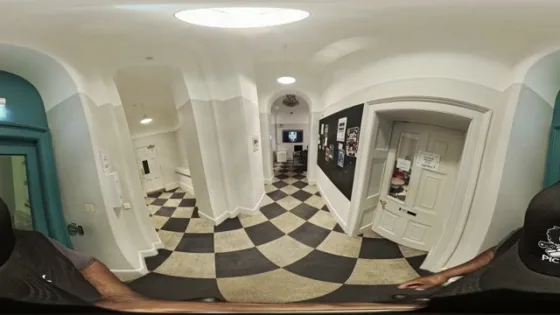
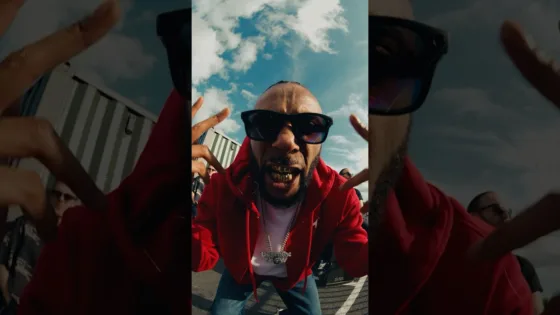
This is where the email becomes an environment. Audiences can move through the campaign, discover looks by moment, interact with product cards and follow contextual calls to action.
Brunch look
Rooftop energy
Restaurant ready
Last minute getaway
Wedding guest
Party entrance
[h5p id=”23″]
Product constellation
Looks By Moment
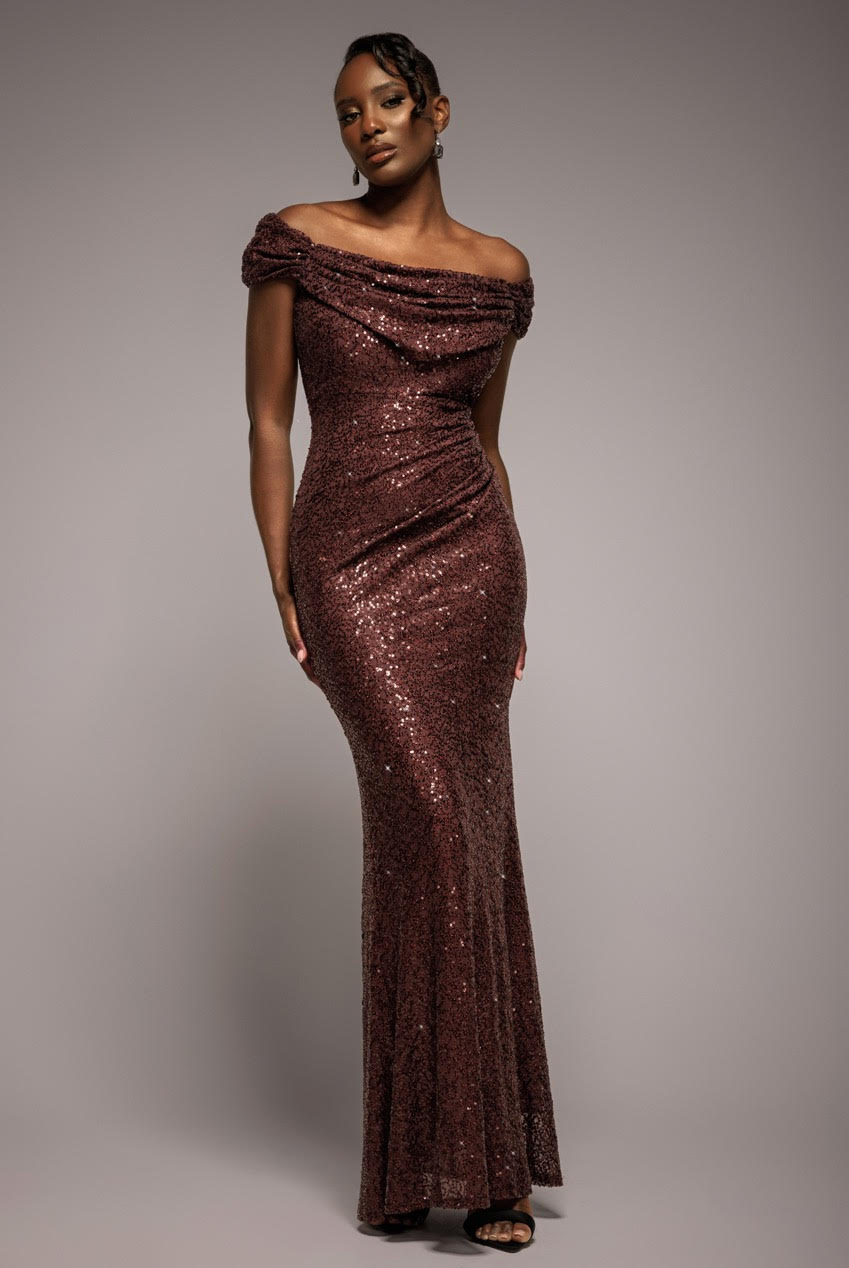
A luxury constellation of Goddiva occasionwear, accessories and event ready fashion, arranged by the social scenes in the Bank Holiday campaign.

Dinner
Off Shoulder Back Satin Bow Wrap Crepe Midi Dress

Rooftop
Bandeau Faux Leather Midi Dress

Party
Puff Sleeve Sweetheart Mini Dress

Brunch
Corset Fit And Flare Halter Neck Skater Mini Dress

Rooftop
Zebra Print Mid Stiletto Heels

Wedding Guest
Bardot Plunge Neck Bow Sleeve A Line Midi Dress

Dinner
Sequined Lurex Long Sleeve Wrap Midi Dress

Party
Buckle Plunge Bow Detail Jumpsuit

Wedding Guest
Scuba & Polka Mesh Off The Shoulder Midi Dress

Holiday
Printed Tie Back Maxi Dress

Holiday
Floral Printed Chiffon Ruffle Maxi

Brunch
Halter Neck Printed Maxi Dress

Dinner
Spaghetti Strap Polka Dot Wrap Midi Dress

Brunch
Chiffon Geo Wave Front Frill Wrap Midi Dress

Wedding Guest
Frilled Halter Neck Strap Midi Dress
Honor gold brand panel
Campaign emotion becomes a commerce environment.
Goddiva’s campaign already has brunch energy, rooftop presence, restaurant polish and getaway urgency. Pryntd gives that visual language a spatial layer people can enter.
Sponsor and brand value
Why This Matters For Sponsors And Fashion Partners
Pryntd gives sponsors and fashion partners a way to appear inside the experience itself. Brand assets, product imagery, 3D objects, campaign visuals and calls to action can be placed contextually across physical, virtual and hybrid spaces.
Contextual placement
Campaign assets can sit inside moments that match how audiences plan outfits, occasions and purchases.
Immersive product discovery
Products become explorable scenes, not isolated tiles, so discovery feels editorial and purposeful.
Accessible participation
Browser native access keeps the experience open to audiences across phones, tablets, laptops and larger screens.
Measurable conversion pathways
Calls to action can be placed around the moments that carry purchase intent, from outfit discovery to sale entry.
Accessibility first layer
Fashion Experiences Should Be Accessible To Everyone
Pryntd’s shared reality layer is browser native and accessibility first, helping audiences engage with campaign environments across phones, tablets, laptops, TVs and immersive devices without forcing a single device or app download.
Keyboard friendly controls
Navigation and filtering are built with accessible buttons, links and focusable interactions.
High contrast design
Black, white, champagne and soft gold create a clear editorial hierarchy without sacrificing legibility.
Readable typography
Large headings, compact labels and comfortable body copy keep the page easy to scan.
Alt text ready image structure
Every visible image has a descriptive alt attribute or a clear role for assistive technology.
Reduced motion support
Motion respects device preferences so the page remains usable for visitors who prefer less animation.
Clear CTA hierarchy
Shop, unlock and explore actions are visually distinct and repeated at meaningful decision points.
Mobile first layout
Rows wrap centrally and product moments remain usable across narrow screens.


Final CTA
Turn Campaigns Into Shared Reality
Goddiva’s campaign already has the emotion, the audience and the visual language. Pryntd adds the spatial layer, contextual interaction and hybrid commerce system that turns fashion marketing into an experience people can enter.