Pryntd Super Codex 003
4D Hybrid Reality
The convergence of space, time and interaction transforms immersive environments into living shared realities.
Pryntd evolved immersive technology beyond static 3D environments by introducing context, timing, realtime interaction and operational intelligence into shared reality infrastructure.
Unlock shared reality
Spatial layer
Digital twins synchronised with physical environments.
Temporal layer
Timed interactions, live updates and evolving context.
Human layer
Audiences, operators and creators interacting in realtime.
3D Alone Was Never Enough
3D environments created spatial immersion. They gave digital media volume, depth and navigable presence. They allowed people to look around, move through a scene and understand information through space.
But reality itself is not static. Reality changes through time, interaction, behaviour, movement, context, events, relationships and causality.
Most early immersive environments behaved more like frozen simulations than living systems. They were disconnected worlds, isolated experiences and impressive visual containers without the intelligence required to respond to the moment.
Realtime responsiveness
Contextual awareness
Temporal intelligence
Adaptive interaction
Operational relevance
Behavioural logic
True immersion requires environments to behave like reality itself.
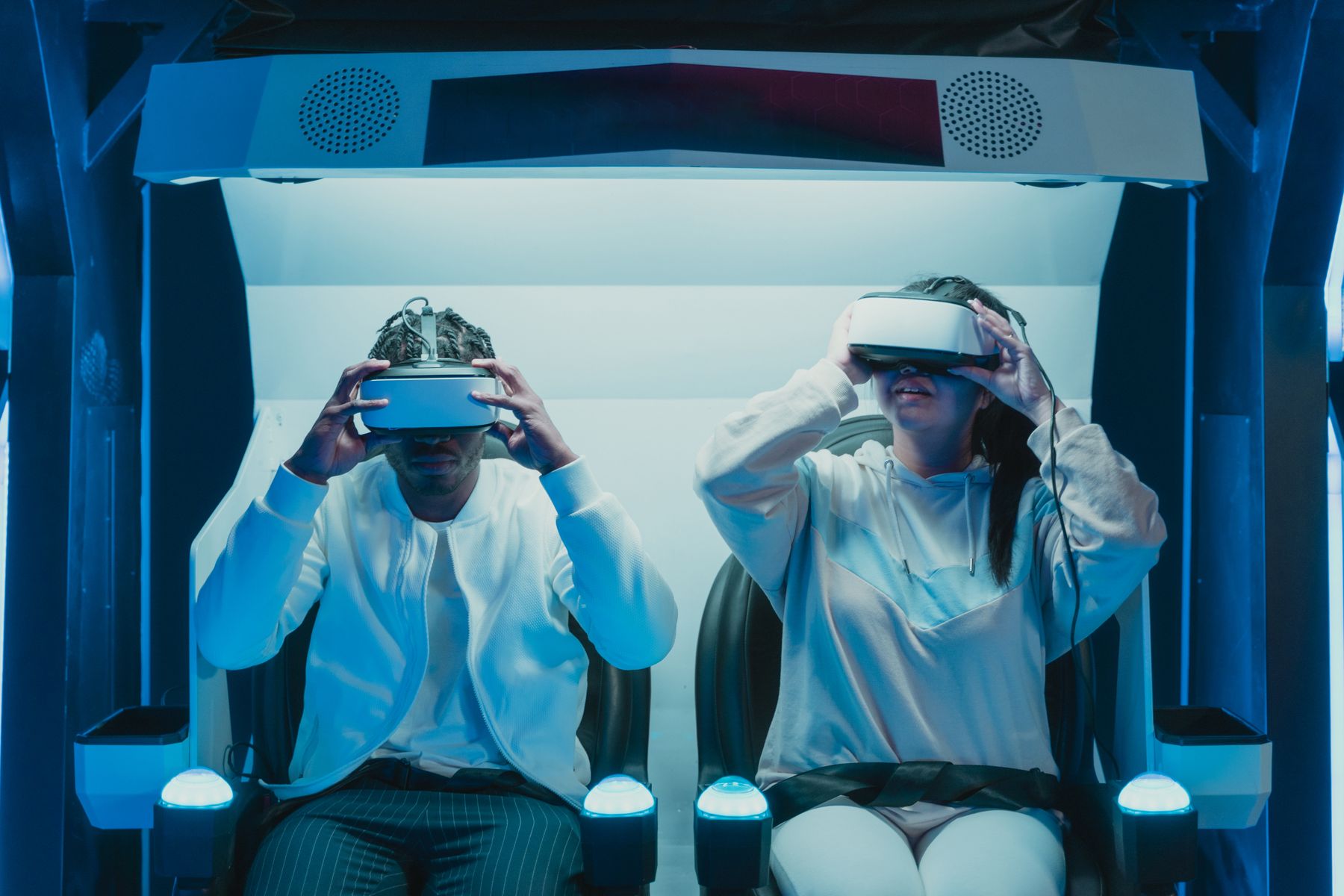
Spatial immersion becomes meaningful only when the environment understands what is happening inside it.
Einstein, Minkowski And The Fourth Dimension
Albert Einstein and Hermann Minkowski redefined the way reality could be understood. Space was no longer treated as a separate container. Time was no longer treated as a detached measurement. Reality became a connected structure of three dimensions of space combined with the fourth dimension of time.
Pryntd applied this same logic to immersive technology. A 3D environment can show a place, but it cannot fully behave like a reality unless it understands timing, context, change and participation.
3D creates space.
It builds visual environments, spatial navigation and the sensation of presence.
4D creates living environments.
It adds temporal behaviour, contextual responsiveness, realtime interaction and dynamic adaptation.
The Moment Digital Reality Became Contextual
Pryntd realised immersive environments needed start points, end points, timed interactions, dynamic elements, realtime updates, contextual triggers, responsive overlays and behavioural logic.
Interactions needed to appear, disappear, evolve, respond and adapt based on time, movement, behaviour, participation, environment and stakeholder needs.
This transformed immersive environments from static spaces into living systems.
Hybrid Reality is the convergence of physical and digital environments through realtime contextual interaction.
Interactive Video Met Virtual Tours
Pryntd drew inspiration from interactive video systems already emerging within education and edtech. Interactive videos introduced decision points, contextual engagement, nonlinear interaction, adaptive progression and embedded participation.
At the same time, virtual tours introduced spatial navigation, immersive environments, remote exploration and environmental awareness.
Pryntd saw the future in the convergence of both. The best parts of interactive video plus the best parts of virtual tours created immersive contextual environments, navigable interactive realities, spatially aware media and realtime adaptive experiences.
Hybrid reality became the closest digital approximation of real-world interaction.
Spatial Media Becomes Participatory
The environment is no longer watched. It is entered, shaped and answered in realtime.
Hybrid reality turns a digital surface into a responsive shared layer between audience, venue, content and operation.
Reality Needed A Persistent Reflection
Hybrid reality naturally evolved toward digital twins. But Pryntd’s definition of digital twins is broader than architecture, mapping or visual replication.
A true hybrid digital twin includes space, behaviour, interaction, realtime data, participation, temporal activity, operational intelligence and stakeholder coordination.

A venue is not simply a building.
It is people, schedules, movement, commerce, accessibility, emotion, operations, participation and realtime coordination. Hybrid reality allows these systems to become visible, interactive, measurable and optimisable.
A digital twin without realtime interaction is only a model. Hybrid reality makes it alive.
Immersive Technology Became Infrastructure
Hybrid reality becomes transformational because it enables operational intelligence. It allows organisations to coordinate resources, improve workflows, reduce operational friction, optimise participation, improve accessibility, enhance safety, increase engagement, reduce inefficiency and improve collaboration.
This is Operational Excellence Through Shared Reality.
Hybrid environments can now correlate physical operations, digital interactions, stakeholder behaviour, audience participation, environmental data and realtime conditions.
This transforms immersive technology from spectacle into infrastructure.
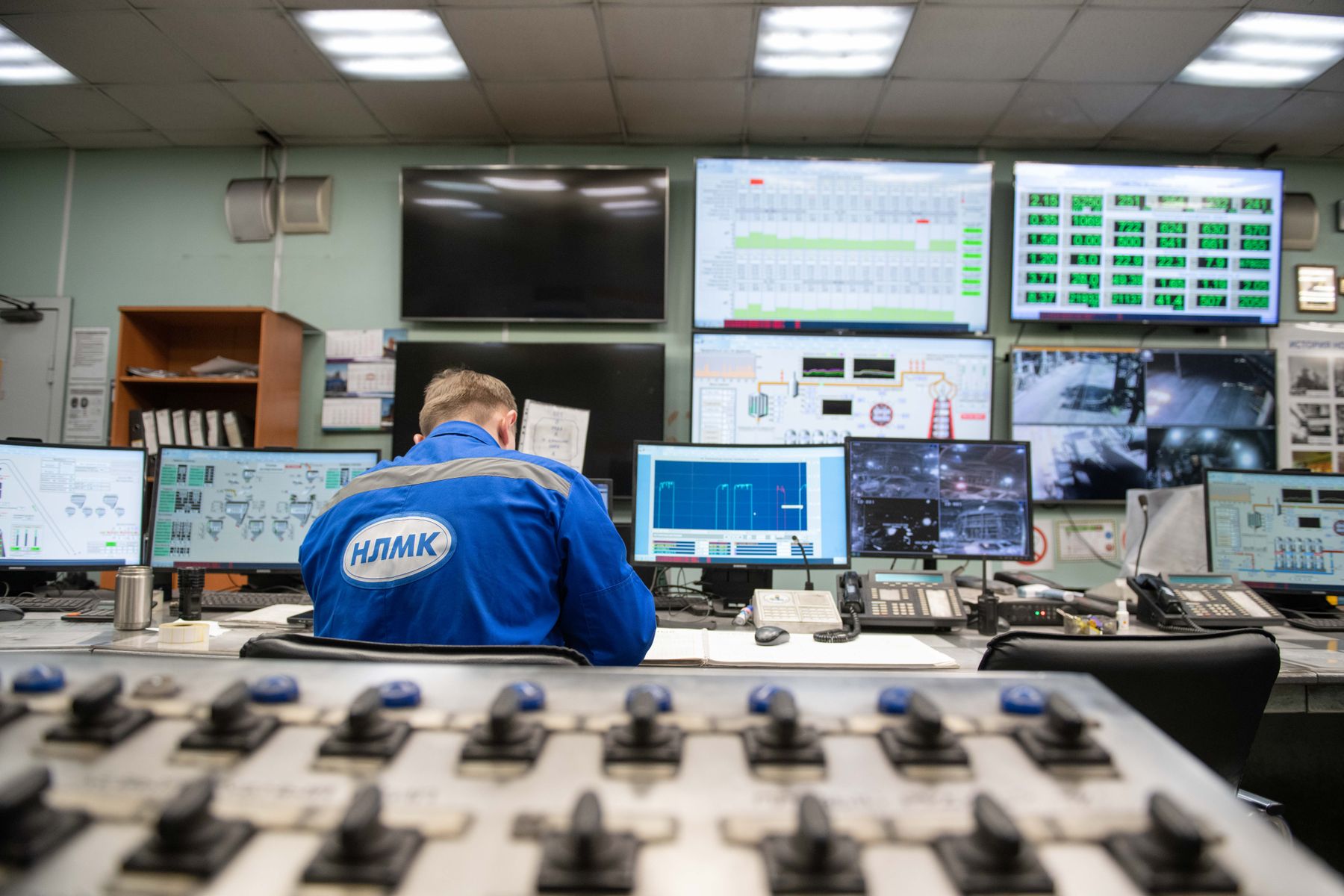
Realtime visibility converts immersive environments into infrastructure for decisions, coordination and response.
Events Already Behave Like Hybrid Realities
Events naturally combine physical environments, timed experiences, human interaction, realtime coordination, emotional participation, stakeholder convergence, commerce, accessibility, live performance and operational complexity.
They already operate across schedules, timing, entrances, exits, audience movement, stage progression, security coordination, creator interaction, sponsorship activation and audience participation.
This makes events the perfect proving ground for hybrid reality.
Venues
Organisers
Creatives
Professionals
Audiences
Accessibility teams
Sponsors
Operations
The event becomes a living operating system.
Reality Became Operationally Accessible
Hybrid reality transforms industries where physical presence is expensive, dangerous, inefficient, inaccessible or geographically constrained.
It enables remote presence, realtime collaboration, operational visibility, contextual interaction and intelligent coordination across hazardous operations, construction, industrial facilities, infrastructure management, remote collaboration, training, healthcare, logistics, education and property.
Hybrid reality allows reality itself to become operationally accessible.
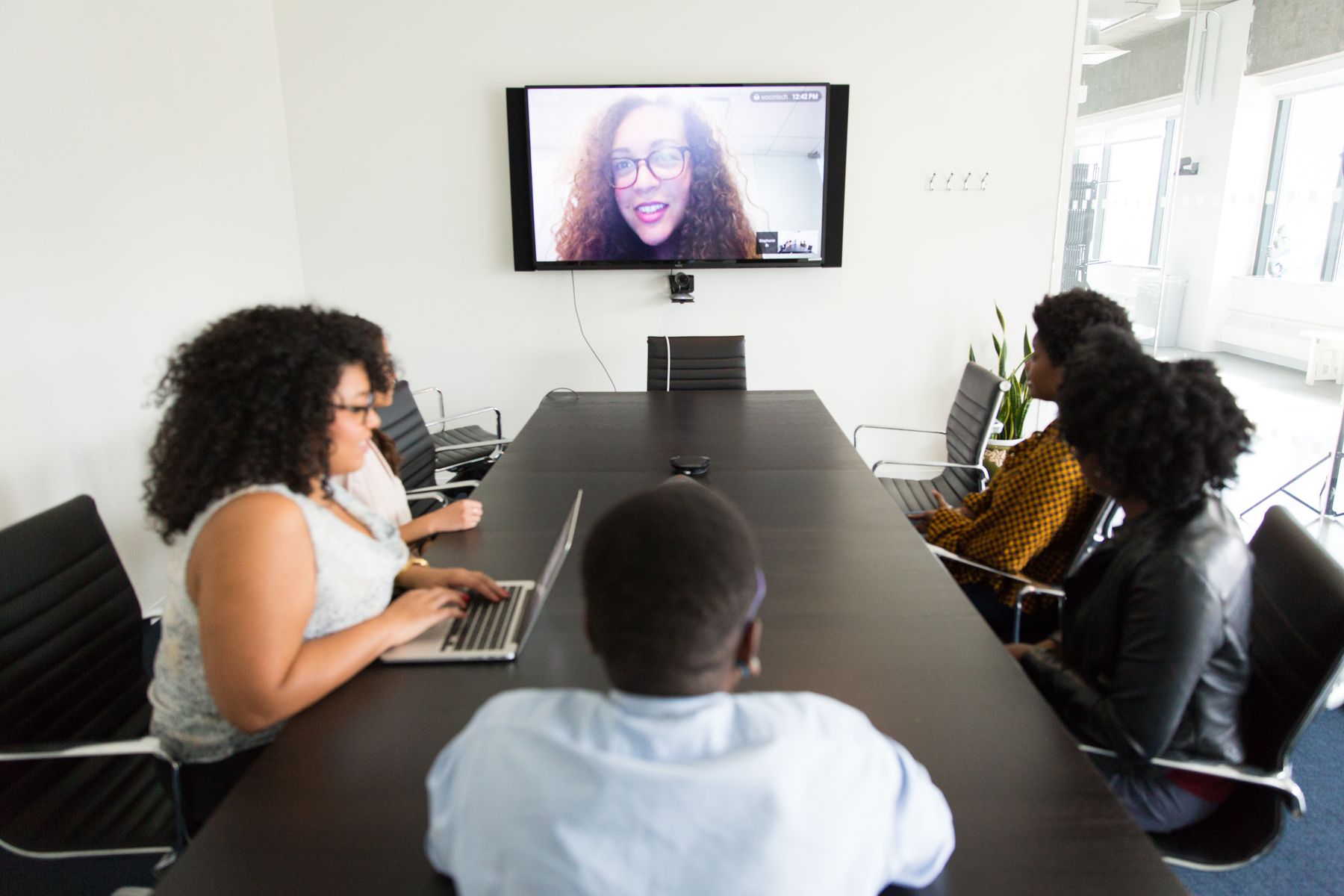
When context travels with the environment, collaboration is no longer limited by geography.
Accessibility Moves To The Centre
Hybrid reality fundamentally changes accessibility because environments become adaptive, responsive, contextual and intelligent.
Accessibility can become embedded directly into navigation, interaction, participation, communication, timing, engagement and remote access.
In the UK, 1 in 4 people are disabled, while the Purple Pound represents an approximately £274B opportunity. Millions remain excluded from events, venues and environments because access is still too often treated as an afterthought.
1 in 4
People in the UK are disabled.
£274B
Approximate Purple Pound opportunity.
The most intelligent environments are those capable of responding to human needs in realtime.

Shared reality becomes intelligent when environments can respond to human needs as they happen.
Reality Became Hybrid
4D Hybrid Reality represents the first true bridge between physical environments, digital environments, human interaction, operational systems and realtime participation.
This is where digital experiences stop imitating reality and begin synchronising with it.
Pryntd believes the future is not fully virtual. The future is hybrid.
Shared reality emerges when physical and digital experiences become contextually inseparable.
The Evolution Of Shared Reality
2D
Passive Media
Flat content created reach, visibility and communication, but audiences remained outside the experience.
2DX
Interactive Media
Interaction transformed passive content into participatory systems with choice, response and engagement.
3D
Spatial Environments
Digital media gained depth, navigation and presence, creating environments rather than screens.
4D
Hybrid Contextual Reality
Space, time, context and interaction converged into adaptive shared reality infrastructure.
Each dimensional layer increases immersion, participation, operational intelligence, accessibility, contextual awareness and human coordination.
Reality Is Becoming Hybrid
The future will not separate physical and digital experiences. They will converge into adaptive, contextual and intelligent shared realities. Pryntd is building the infrastructure layer that makes this possible.